Mati Diop, Kaouther Ben Hania, Ramata-Toulaye Sy: the decade of women directors
Cannes, Berlin, Venice: in ten years, African women filmmakers have moved from the margins to official competition.
Équipe Afrollywood Magazine • 7 min read
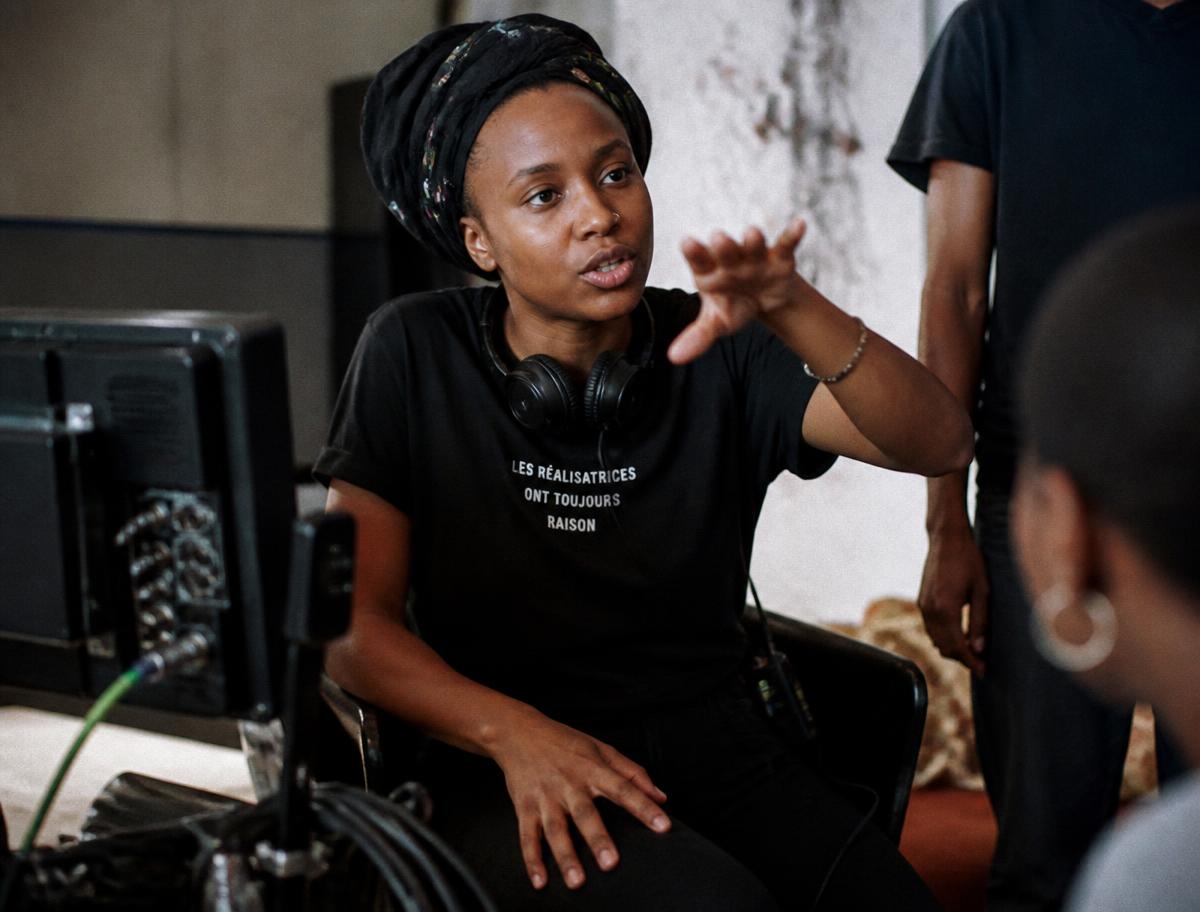
In May 2019, Mati Diop presented “Atlantics” in official competition at Cannes. She was the first Black woman to reach it in the festival's seventy-two-year history. The film — a haunted love story set against departures by sea from Dakar — left with the Grand Prix. The gesture was also a lineage: Mati Diop is the niece of Djibril Diop Mambéty, author of “Touki Bouki” (1973).
Berlin 2024: “Dahomey” and objects that speak
Five years later, the same filmmaker won the Golden Bear at the Berlinale with “Dahomey”, a sixty-eight-minute documentary following the return to Benin, in November 2021, of twenty-six royal works looted by French troops in 1892 and held at the Quai Branly museum. The film literally gives a statue a voice, and films students at the University of Abomey-Calavi debating what a restitution does — or does not — restore.
Tunisia in permanent competition
Kaouther Ben Hania has become one of the most consistent voices at the major festivals. “Beauty and the Dogs” (2017) played in Un Certain Regard; “The Man Who Sold His Skin” (2020) was nominated for the best international feature Oscar, a first for Tunisia; “Four Daughters” (2023), a hybrid of documentary and re-enactment, was selected in competition at Cannes and then Oscar-nominated in the documentary category.
Also in 2023, the French-Senegalese director Ramata-Toulaye Sy presented “Banel & Adama”, shot in Pulaar in northern Senegal, in competition at Cannes with a first feature — an extremely rare situation. The same year, the Congolese-Belgian musician and filmmaker Baloji won the New Voice prize in Un Certain Regard with “Omen”.
No one asks a European filmmaker to represent Europe. We are constantly asked to represent a continent.
What these selections change — and do not change
These recognitions have a direct effect: access to international funds (the CNC's Aide aux cinémas du monde, the Berlinale's World Cinema Fund, the Fonds Image de la Francophonie), to international sales, to writing residencies. They do not settle the question of distribution on the continent: both “Atlantics” and “Dahomey” were seen by far more people in Paris, Berlin or New York than in Dakar or Cotonou, for lack of cinemas and distribution networks.
That is this generation's declared paradox: awarded abroad, it claims work rooted at home — local languages, crews trained on site, subjects that do not wait for validation from the North. Alternative distribution schemes, mobile cinemas, film clubs and open-air screenings have become part of the job as much as an activist extra.