Nollywood: anatomy of the world's second-largest film industry
Born from a batch of VHS tapes in 1992, Nigeria's industry now produces more than a thousand films a year and is negotiating its streaming turn.
Équipe Afrollywood Magazine • 9 min read
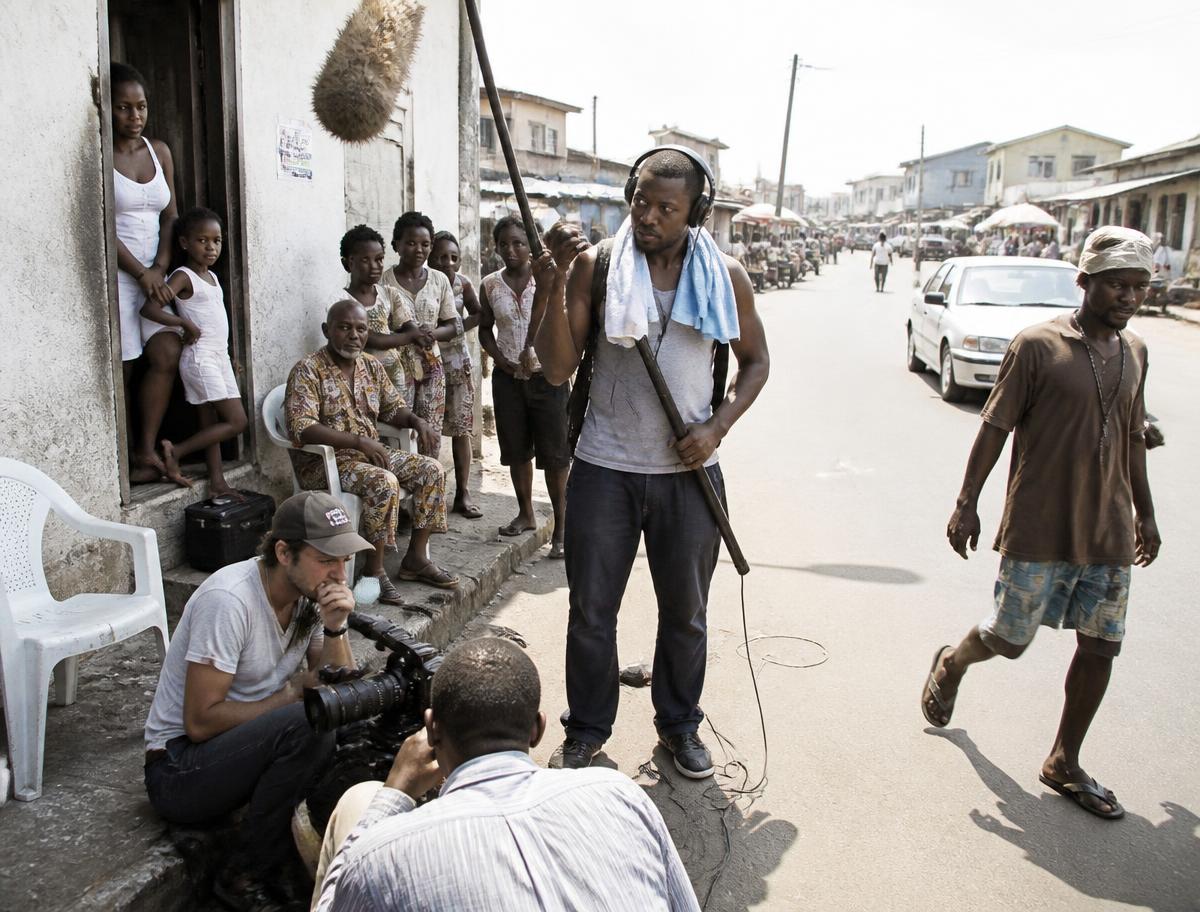
Nollywood's birth certificate lies in a batch of blank cassettes. In 1992, the Lagos trader Kenneth Nnebue was trying to shift a stock of imported VHS tapes. He financed a thriller in Igbo, “Living in Bondage”, the story of a man who sacrifices his wife to become rich. The film sold several hundred thousand copies in the markets of Idumota and Onitsha. The model was found: fast shoots, tiny budgets, direct distribution on video.
Thirty years later, Nigeria produces, according to its National Bureau of Statistics, between 1,000 and 2,500 films a year — the largest volume in the world after India, ahead of the United States. The arts, entertainment and recreation sector accounts for slightly more than 2% of Nigerian GDP and employs, directly and indirectly, several hundred thousand people.
From street market to multiplex
The turn came in the late 2000s with “New Nollywood”: films shot in high-definition digital and released in cinemas. Kunle Afolayan's “The Figurine” (2009) and Chineze Anyaene's “Ijé” opened the way. The comedy “The Wedding Party” (2016) became the first Nigerian film to pass 400 million naira at the box office, a record since beaten by “Omo Ghetto: The Saga” (2020) and by Funke Akindele's “A Tribe Called Judah”, the first Nigerian film to cross one billion naira in domestic takings, in late 2023.
The exhibition circuit remains the bottleneck: the country has fewer than 150 screens for more than 220 million people, concentrated in Lagos and Abuja. The Filmhouse and Silverbird chains carry most of the business.
The streaming era, and its limits
Netflix arrived in Nigeria in 2016, then moved into local production: “Lionheart”, directed by the actress Genevieve Nnaji, became the platform's first Nigerian original film in 2018. It made headlines in 2019 when the Academy disqualified it from the best international feature category because its dialogue was mostly in English — the country's official language. Amazon Prime Video followed in 2022 with production deals.
The movement has since cooled: from 2024, both platforms cut their African original commissions and refocused their investment. Nigerian producers read it as a reminder that depending on a single gateway is an industrial risk. Hence the return of hybrid models — cinemas, pay television, local platforms such as IrokoTV or Showmax — and the growth of regional co-production with Ghana, South Africa and Kenya.
We have proved we can produce fast and at scale. The question now is how much of the value we keep.
What still blocks the way
Three structural brakes remain: piracy, which captures a considerable share of revenue; access to finance, with most Nigerian banks still treating cinema as a non-bankable asset; and technical training, particularly in sound, grading and post-production, largely subcontracted abroad. The public Project Act Nollywood fund and Bank of Industry initiatives have begun to respond, without changing the scale of the problem.