
African cinema's real battle: the screens
Fewer than one screen per million inhabitants in several countries: distribution remains the industry's missing link.
Équipe Afrollywood Magazine • 6 min read
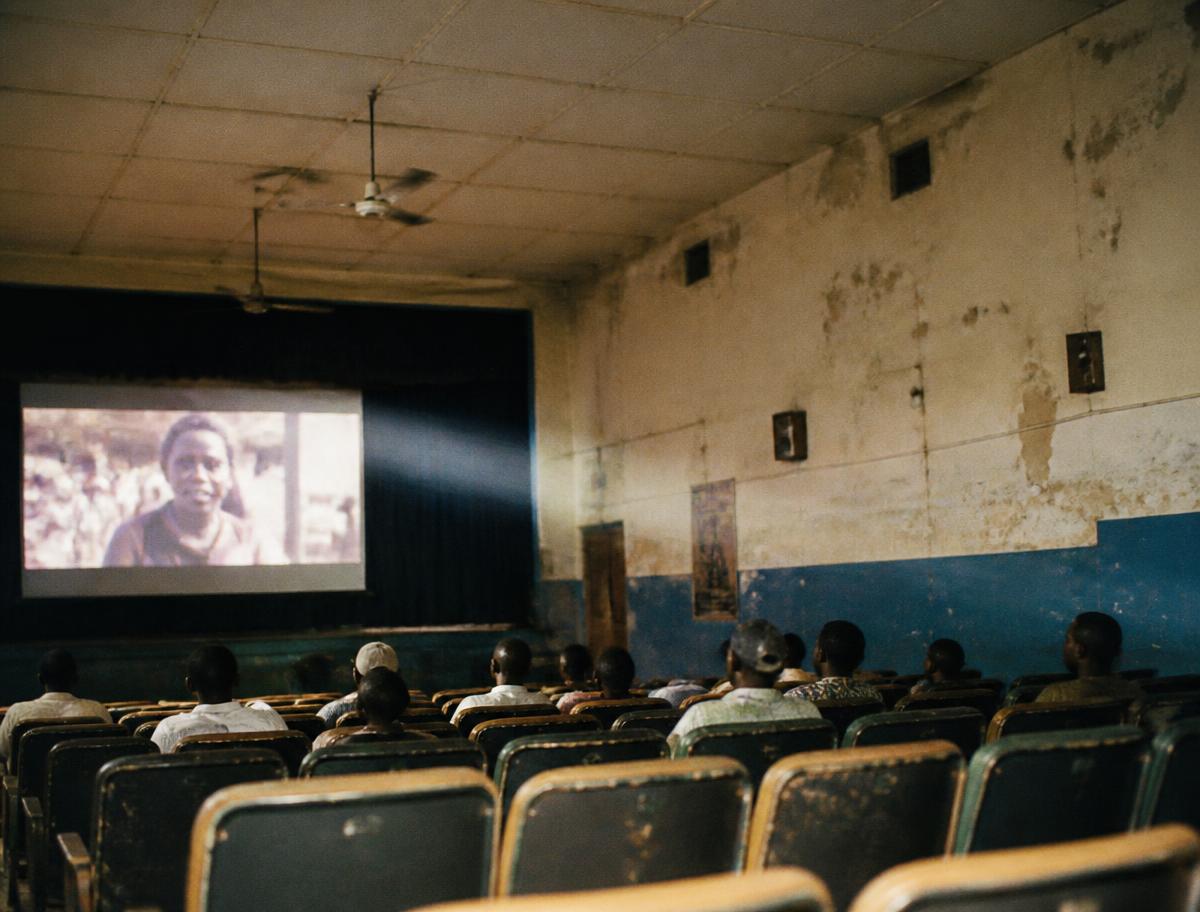
UNESCO's report on the African film industry, published in 2021, offers a figure that sums it all up: Africa has on average one cinema screen for roughly 787,000 people, against about one for 20,000 in North America. More than half of the continent's screens are concentrated in South Africa, Egypt, Morocco and Nigeria.
The great closure
This desert is not original. In the 1970s, Burkina Faso, Senegal, Mali and Cameroon had networks of popular cinemas, often open-air. The structural adjustment programmes of the 1980s and 1990s, the privatisation or liquidation of national distribution companies, and the mass arrival of VHS and then pirated DVDs emptied and closed most of those venues. In Dakar, most historic cinemas were converted into shops or places of worship.
The reopenings
Over the past decade, the reverse movement has begun. In Burkina Faso, the Ciné Guimbi in Bobo-Dioulasso, a legendary venue closed in 2010, reopened in 2021 after a crowdfunding campaign led by the Friends of Ciné Guimbi association. In Senegal, the Pathé cinema in Dakar, opened in late 2022, brought multiplex exhibition back to the capital. Moroccan operators and the South African chains Ster-Kinekor and Nu Metro continue to extend their regional coverage.
In parallel, lighter arrangements are multiplying: travelling digital cinemas in Mali and Niger, neighbourhood screenings in Kenya, touring festivals. The Cinéma Numérique Ambulant collective, active since 2001, claims thousands of free screenings in rural areas across several West African countries.
An economic issue, not only a cultural one
Without cinemas there is no local revenue; without local revenue there is no way to recoup outside international funds, and therefore a lasting dependence on financing from the North. Professionals are calling for three levers: tax incentives for building screens, broadcast quotas for African films on national channels, and the harmonisation of regional markets — a West African film travels more easily to Brussels today than between Abidjan and Accra.
A film that does not meet its audience at home has only travelled half the way.